

Key Considerations for Selecting the Right Aluminum Post Wrap
Choosing the right aluminum post-wrap for your project is an important decision. There are many different types of aluminum post wraps to choose from, each with its advantages and disadvantages. When selecting an aluminum post wrap, it is important to consider the purpose, budget, and maintenance needs of the wrap. It is also important to take into account the style, durability, and overall appearance of the wrap. Taking all of these considerations into account will help ensure you select the best aluminum post-wrap for your needs.
Gauging Quality and Durability of the Wrap
When selecting the right aluminum post wrap, it’s important to assess the quality and durability of the wrap as it will be exposed to the elements for long periods. Aluminum wraps are made from rust-proof and corrosion-resistant aluminum sheets, so they can stand up to harsh weather. However, the quality of the aluminum can vary drastically from brand to brand. Look for lengths of aluminum that are thick and of superior quality with good post wrap.
Assessing Durability Against the Elements
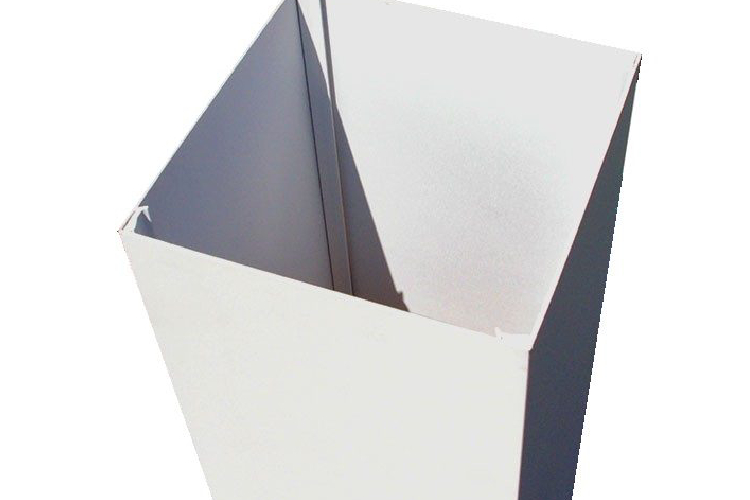
As previously mentioned, the aluminum post wrap should be rust-proof and corrosion-resistant, specifically for areas with inclement weather and higher levels of precipitation. Look for aluminum wraps that are pre-treated and contain a powder-coated protective layer. This is designed to provide an added layer of protection against the damaging effects of wind, rain, and other elements. Salt-air corrosion can also take its toll on aluminum wraps, so if you live in a coastal environment, be sure to select a wrap that has added protection against salt damage.
Determining Maximum Height Capacity
When selecting an aluminum post wrap, pay close attention to its maximum height capacity. Most wraps come in standard sizes, typically ranging from 3 feet to 8 feet in length. Make sure the height of your posts fits within this range. For taller posts, you may need to select an extra wide wrap that allows you to reconfigure the height. Be aware that cutting the wrap may void any warranty that may be associated with the product.
Selecting an Optimal Wrap Thickness
The thickness of your aluminum post wrap will determine how rigid and durable it will be. When selecting an aluminum wrap, look for a thicker material that is more resistant to bending or cracking in severe weather. Professional aluminum wrap manufacturers typically offer an array of thicknesses ranging from .032 inches to .060 inches. The thicker the wrap, the better the protection and rigidity.
Considering Specialty Surfaces or Features
Another thing to consider when selecting an aluminum post wrap is the availability of specialty surfaces or features. Some wraps are available with textured surfaces, such as a hammered finish, or with decorative features, such as simulated wood grain, to make a truly unique look. If you are looking for a special look for your post wrap, consider investigating manufacturers who offer these features.
Measuring the Post for Proper Fitment
To get an accurate measure of how much post wrap is needed, use a measuring tape to measure the post circumference. Once you’ve calculated the circumference, divide it by 6 to get the number of feet you need for post-wrap. Depending on the type of installation, you may need to measure the length of the post or posts. If the post is to be installed vertically, measure from the top to the bottom. If the post is to be installed horizontally, measure from end to end.
Exploring Manufacturing and Installation Options
When selecting the right aluminum post wrap, you should also determine the best manufacturing and installation methods for your project. Wraps are typically available in three different constructions: seamed, seamless, and spliced. Seamless wraps are produced in one continuous roll, giving the wrap a more unified look. Spliced wraps are spliced together at designated points with metal cladding, providing a more rigid installation for heavier posts.
Comparing the Cost and Benefits of Different Wrap Materials
When selecting the right aluminum post wrap, it is important to consider the cost and benefits of different wrap materials. Aluminum is one of the most cost-effective wrap materials available, and its strength makes it ideal for long-term protection. Vinyl wraps are also popular due to their affordability and ability to mimic the look of wood, but they can be prone to cracking over time. Additionally, fiber-reinforced plastic wraps are more expensive than aluminum but deemed more durable and rot-resistant.
Evaluating Warranties or Guarantees on the Aluminum Post Wrap
Lastly, when selecting an aluminum post wrap, ask the seller or manufacturer about any warranties or guarantees that may be available on the wrap. Many vinyl wraps come with a manufacturer’s guarantee that the wrap will not become brittle or crack over time, which can be a great assurance. For aluminum wraps, look for a lifetime warranty that guarantees protection against corrosion and wear and tear due to the elements. Some wraps may also be eligible for additional insurance coverage, depending on the installation requirements and local regulations.
Conclusion
The key considerations for selecting the right aluminum post wrap are important to consider before selecting a post wrap for a project. Selection should be based on the size of the post, the thickness of the wrap, the color, the type of finish, the warranty, and the installation process. It is also important to make sure that the wrap will fit with existing architecture and is within the budget of the project. Although there are a variety of post wraps available, selecting the right post wrap is essential to ensure the project looks great and stands the test of time.
About Author