
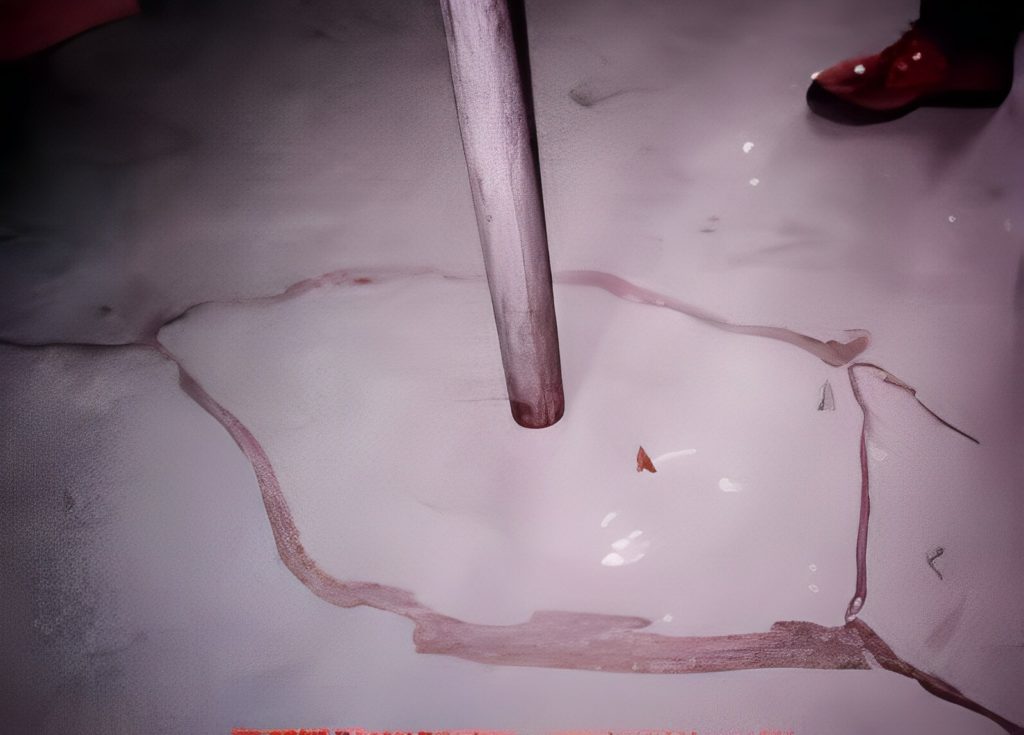
Laminate Floor Repair: DIY Solutions For Homeowners
Laminate floor repair is a manageable DIY task for homeowners, provided you follow a few key steps. Start by assessing the damage, whether it’s scratches, chips, or water damage. For minor scratches, utilize a laminate floor repair kit, which typically includes putty or markers designed to match your floor’s color. Simply fill in the scratches and wipe away excess. For more significant damage like chips or gaps between boards, consider using laminate floor filler to level the surface. When dealing with water damage, it’s crucial to identify and fix the source of moisture first to prevent further issues. Afterward, replace any water-damaged laminate planks, following the manufacturer’s instructions. Regular maintenance, such as using furniture pads and rugs in high-traffic areas, can also help prevent future damage. By employing these DIY solutions, you can restore the beauty of your laminate floors without the need for costly professional repairs.
Learn How To Repair Minor Damage To Your Laminate Flooring
Gaining expertise in floor repair and minor damage to your laminate flooring is a valuable skill that empowers homeowners to maintain the beauty and longevity of their floors with confidence. Minor damage, which can include small scratches, dents, or chips, may seem inconsequential individually but can collectively detract from the overall aesthetics of your home. By mastering DIY techniques for addressing these common problems, you not only extend the lifespan of your laminate flooring but also take proactive steps toward preserving the pristine appearance of your living space. The knowledge and proficiency acquired in these floor repair Chicago methods not only contribute to the aesthetics of your home but also safeguard the value of your property.
Know What To Do When Water Or Moisture Affects Laminate Floors
Laminate flooring’s vulnerability to damage from water and moisture exposure is a significant concern for homeowners. Such exposure can lead to issues like swelling, warping, or unsightly discoloration. Understanding how to handle these challenges is essential for preserving your floors’ structural integrity and aesthetics. DIY solutions for moisture-related problems, including effective drying techniques and proactive sealing methods, empower homeowners to efficiently combat water-induced damage. By addressing these issues promptly and with expertise, you not only safeguard the longevity and visual appeal of your laminate flooring but also protect your investment in your home’s overall value.
Implement DIY Steps For Fixing Common Problems With Laminate Flooring
Laminate floor repair encounters a variety of common issues over time, including gaps between planks, lifting edges, or creaking sounds that can be both bothersome and unsightly. Implementing DIY steps to resolve these problems offers a practical approach to maintenance, saving both time and money. These solutions may involve adjustments to subflooring, the application of adhesive agents, or the utilization of user-friendly repair kits, all contributing to the restoration of your laminate flooring’s integrity. By addressing these issues proactively, homeowners ensure the longevity and high performance of their floors, which, in turn, adds to the enduring value of their homes.
Understand Strategies To Restore Chipped Or Scratched Laminate Flooring
Chips and scratches are among the most frequent types of damage that laminate flooring can incur, detracting from the floor’s overall beauty. Understanding strategies to restore these imperfections is vital for preserving your floors’ visual appeal. DIY techniques, such as utilizing filler kits, employing color-matching solutions, or employing laminate repair pens, can effectively conceal chipped or scratched areas. These approaches restore the original aesthetics of your flooring, allowing it to regain its luster and elegance. By mastering these strategies, homeowners can maintain the pristine condition of their laminate flooring and enhance the overall ambiance of their living space.
Get Tips On How To Handle Bucket Marks Or Stains On Laminate Flooring
Bucket marks, stains, and spills are everyday challenges for laminate floors, particularly in high-traffic areas of the home. Knowing how to address these issues is essential for maintaining the cleanliness and aesthetics of your flooring. DIY tips for handling bucket marks and stains may include the use of mild cleaning solutions, microfiber cloths, or specialized laminate floor cleaners. These techniques efficiently remove blemishes, restoring the original luster and beauty of your floors. By adopting these tips and being proactive in floor repair, homeowners ensure that their laminate flooring continues to shine and impress, adding to the overall appeal of their living environment.
Acquire Advice For Fixing Loose Laminate Floor Tiles Or Planks
Over time, laminate floor tiles or planks may become loose, presenting potential tripping hazards and creating an uneven surface that is both unsightly and unsafe. Acquiring advice on how to rectify these issues is critical for ensuring the safety and stability of your flooring. DIY solutions may encompass reinstallation techniques, adhesive applications, or even the replacement of damaged pieces to secure your laminate floor tiles or planks firmly in place. By applying these solutions, homeowners can address loose elements effectively and maintain a secure and visually appealing flooring surface, contributing to both aesthetics and safety within their home.
Explore Options For Fixing Warped Or Buckled Laminate Floorboards
Warped or buckled laminate floorboards can result from moisture exposure or improper installation, leading to uneven and unsightly flooring that poses both aesthetic and functional issues. Exploring options for addressing these issues is paramount to prevent further damage and restore the flatness and beauty of your flooring. DIY methods for fixing warped or buckled floorboards may involve targeted heating, weight distribution, or the replacement of affected sections. By implementing these options, homeowners can salvage their laminate floors, avoid costly replacements, and ensure the long-term performance and aesthetics of their flooring, thus preserving the value and comfort of their living space.
Conclusion
Laminate floor repair encompasses a range of essential DIY skills that every homeowner should embrace to protect and enhance the appeal and functionality of their flooring. From addressing minor damage and moisture-related issues to tackling common problems like scratches, gaps, or loose elements, these DIY solutions offer both cost-effectiveness and empowerment. By mastering these techniques and proactively applying them, homeowners not only maintain their flooring’s aesthetics but also protect their investment in their homes. These skills translate into a sense of pride and satisfaction, as well as a commitment to the long-term beauty and value of one’s living space, thus ensuring the ongoing enjoyment and comfort of their home environment.
About Author