

Maintaining Compliance with Secure Medication Dispensing
Maintaining compliance with secure medication dispensing is an important part of patient safety and healthcare delivery. It is essential for healthcare providers to adhere to regulations and standards set by governing bodies in order to ensure that medications are safely and correctly dispensed. This includes ensuring that all personnel involved in the medication dispensing process are qualified and trained and that all medications are handled and stored according to safety protocols. It is also important to ensure that all medication dispensing systems are up-to-date and secure. A secure medication dispensing system is essential to ensure patient safety and minimize errors during the medication dispensing process. This article will discuss the importance of maintaining compliance with secure medication dispensing and highlight best practices for doing so.
Implementing Technology Solutions
Maintaining secure medication dispenser compliance is important for both safety and efficiency. Technology solutions can help streamline the process and ensure that medications are dispensed in a safe and secure manner.
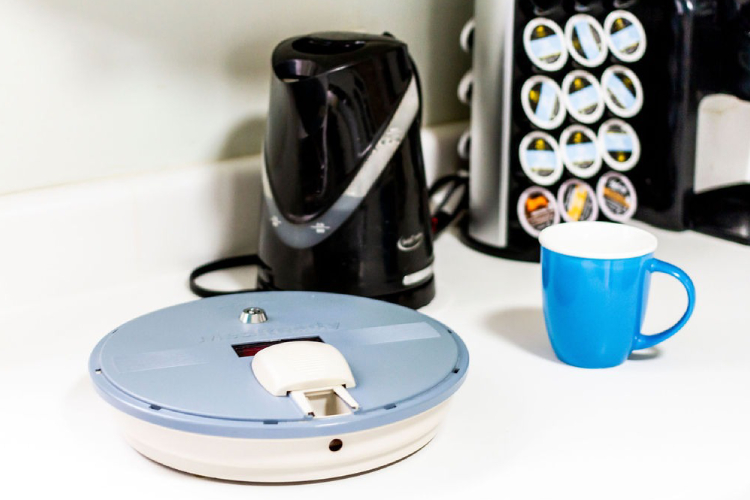
Some of the Most Common Technology Solutions Used in Medication Dispensing Include:
- RFID Readers: These devices use radio waves to track the movement of objects, helping pharmacists to dispense medications securely and accurately.
- Voice Recognition Software: This software helps pharmacists to identify and store prescription bottles, providing an easy way to dispense medications without having to speak or write down each item.
- EKG Machines: These machines help pharmacists to monitor blood pressure levels and dispense medications accordingly.
Establishing and Enforcing Security Protocols
- Establishment of secure medication dispensing areas
- Implementation of security measures to prevent medication theft and misuse
- Implementing security measures to ensure that medications are dispensed in a safe and healthy manner
Monitoring and Auditing Dispensing Practices
To ensure that medication is dispensed in a safe and responsible manner, pharmacies should monitor the dispensing process and evaluate and update dispensing practices as necessary. This includes ensuring that medications are dispensed in a timely manner, limiting the number of medications given to patients at one time, and preventing medication errors.
Establishing and Monitoring Access Permissions
A secure medication dispensing system should be established and monitored to ensure that medications are dispensed in a safe, effective, and unauthorized manner. authorization procedures should include specific access controls for the individuals who need to dispense medications, as well as for those who store or distribute the medications. These access controls must ensure that the medication is received only by those who have been authorized to receive it and that no one else is able to obtain the medication without first obtaining prior approval from the medical staff member responsible for dispensing it.
Training Staff on Compliance Requirements
One of the most important aspects of maintaining compliance with medication dispensing requirements is ensuring that staff is properly trained on the specific regulations and guidelines. There are a number of ways to ensure this training is effective, including using various materials indentured together, providing interactive sessions, or having a facilitator lead the training.
It’s also important to make sure that staff understands the rationale behind each dispensing regulation. This will help them to make sound decisions when dispensing medications, and it can also help ensure that medications are accurately labeled and stored.
Reporting and Documenting Incidents
Reporting and Documenting Incidents of a medication dispenser is an important part of ensuring patient safety. It is important to document any incidents that occur with a medication dispenser in order to provide information to help with preventative measures or to help with understanding the cause of the incident.
Documentation should include details such as the type of incident. The time and date it occurred, the medication involved, the patient involved, and any other relevant information. It is also important to document any actions taken to address the incident and any follow-up that occurred. By properly documenting incidents, it is possible to identify potential issues and address them before they become a bigger problem.
Monitoring Regulatory Changes and Updates
There Are a Number of Ways to Stay Compliant with Regulatory Changes and Updates, Including:
- Registering with the FDA
- Obtaining and following up on the manufacturer’s safety information
- Maintaining records of product usage
- Keeping track of recalls and other regulatory notices
- Updating your Medication Supplies Guide (MSG)
- Reviewing your product labeling regularly
- Obtaining a product safety certification
Conducting Risk Assessments
Conducting risk assessments of medication dispensers is an important part of ensuring patient safety. Risk assessments help to identify potential risks associated with the use of medication dispensers. These assessments evaluate the dispenser’s design, operation, and maintenance, as well as the potential for medication errors.
Additionally, they help to identify any potential safety hazards and determine if any corrective actions need to be taken. By conducting regular risk assessments, healthcare organizations can ensure that their medication dispensers are safe and effective in providing patients with the medications they need.
Conclusion
Compliance with regulatory requirements is essential for any business. By implementing technology solutions and training staff on compliance requirements, you can ensure that your business is safe and secure. Reporting and documenting incidents, monitoring regulatory changes and updates. Conducting risk assessments will help you identify potential risks and take necessary corrective actions.
About Author