
Safeguarding Your Business With Disaster Recovery Services
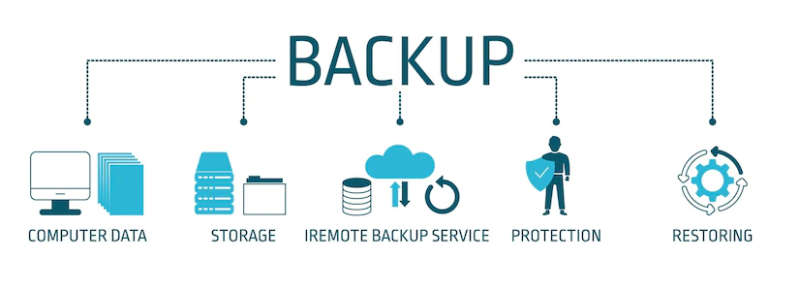
Disaster recovery services are an important part of any business’s security and disaster preparedness plan. Disaster recovery services help mitigate the financial and operational losses that may occur in the event of a natural or man-made disaster. These services provide the necessary resources needed to restore key IT systems and data, allowing businesses to quickly resume operations. Disaster recovery services can also help ensure that data is securely backed up and available for retrieval in the event of an emergency. By providing the right strategies and safeguards, disaster recovery services can help protect businesses from the disruption, financial losses, and reputational damage that can accompany a disaster.
What Is Disaster Recovery Services?
Disaster recovery services are a type of cloud-based service that allows organizations to quickly and easily restore systems after an incident. They can help recover data, applications, and other important files following a disaster. Disaster recovery services can also help you protect your customers’ information by restoring it as quickly as possible after an incident.
What are the Benefits of Disaster Recovery Services?
Disaster recovery services provide companies with strategies and resources to protect their data in the event of a disaster.
The benefits of these services are numerous, including:
- Increased security: Disaster recovery services can help ensure that the data and systems are backed up and stored securely off-site in the event of a disaster. This means that, in the event of a disaster, the data can be recovered quickly and efficiently, with minimal disruption to the business.
- Cost savings: Disaster recovery services can help reduce costs associated with data loss, as well as the time and money associated with restoring or rebuilding systems and applications.
- Improved efficiency: Disaster recovery services can help companies quickly restore access to their applications and data, which can help to improve productivity and efficiency.
- Improved customer service and satisfaction: By having the data and systems backed up and ready to go in the event of a disaster, companies can provide better customer service by ensuring that their customer’s data is secure and easily accessible.
Overall, disaster recovery services can provide a number of important benefits to companies, including improved security, cost savings, improved efficiency, and improved customer service and satisfaction.
How to Safely and Effectively Recover from a Disaster?
Recovering from a disaster can be a daunting process, but there are some steps you can take to ensure that you and your family are safe and that the recovery process is effective.
- First, assess the damage and create a plan of action. This might involve contacting your insurance company, local government officials, and other organizations that can help you with the recovery process.
- Second, take care of your basic needs. Make sure you have food, water, and shelter. You may need to contact organizations like the Red Cross for assistance, or you may need to relocate temporarily to another area.
- Third, secure any important documents. Make sure you have copies of important documents such as birth certificates, passports, and insurance policies in case you need them for the recovery process.
- Fourth, assess the emotional impact of the disaster and seek help if needed. This can be a difficult and traumatic experience, so it is important to take care of your mental health. Talk to a mental health professional if needed, or join a support group.
Understand the Basics of Disaster Recovery
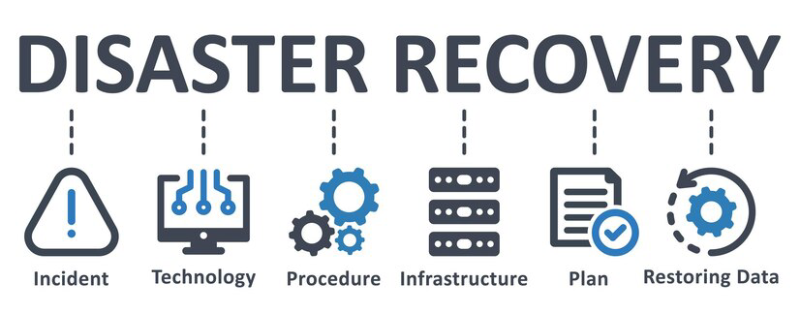
Disaster recovery is the process of recovering information and services after a disaster has occurred. It involves restoring data, systems, networks, and services to their original state. Disaster recovery plans are designed to help organizations quickly and effectively respond to unexpected events, such as natural disasters, power outages, and malicious attacks. A successful disaster recovery plan should include proactive measures to ensure the safety of data and systems as well as strategies for reestablishing operations as quickly as possible.Organizations should assess the risks associated with their data and systems, identify critical services and prioritize them, and document procedures for restoring any lost data. They should also consider the use of redundant systems, cloud services, and backup systems. Additionally, it is important to regularly test the disaster recovery plan to ensure that it is working properly and adjust it as needed.
Protect Your Business With Disaster Recovery Services
Disaster recovery services are essential to protect any business from natural disasters, technical failures, and cyber attacks. Disaster recovery solutions can help businesses quickly recover from data loss, system outages, and other disruptions to their operations.
By having a disaster recovery plan in place, businesses can minimize the amount of time it takes to restore operations and reduce the financial losses associated with a disaster. Disaster recovery solutions also help businesses maintain their customer relationships and protect their reputation.In addition to protecting data and systems, disaster recovery solutions also provide businesses with the tools to quickly restore their operations. This includes the ability to quickly restore systems, recover lost data, and make sure the business is back up and running as soon as possible.
Rely on Disaster Recovery Services To Safeguard Your Business
Having a Disaster Recovery Plan (DRP) is the cornerstone of any business’s strategy for dealing with potential threats. In the event of a disaster, having a reliable and comprehensive DRP can mean the difference between resuming operations quickly and losing everything. Disaster recovery services can help businesses create a DRP and ensure that it is comprehensive enough to address a range of potential disasters. Disaster recovery services provide businesses with the tools and resources needed to create a DRP . A comprehensive DRP should include plans for backing up data, restoring systems, and recovering from a disaster. The plan should also include provisions for testing and verifying backups, as well as guidelines for responding to a disaster.
Conclusion
The importance of disaster recovery services to safeguard businesses cannot be overstated. By securely backing up critical data, businesses can ensure that they are able to recover quickly from a disaster, minimizing financial losses and disruption to operations. With the right disaster recovery plan in place, businesses can rest assured that their data will remain secure and accessible in the event of a disaster. Disaster recovery services can also provide businesses with the peace of mind that their data is safe, secure, and easily accessible when needed.
About Author