

The Role Of Fabric Textured PVC Edge Bands In Sustainable Interior Design
In recent years, sustainability has become a central theme in interior design, as homeowners, businesses, and designers increasingly prioritize eco-friendly materials and practices. The Fabric textured PVC edge band is one such innovation that plays a significant role in enhancing the sustainability of interior design projects. Combining aesthetics, functionality, and environmental benefits, fabric-textured PVC edge bands are quickly becoming a go-to choice for designers looking to create beautiful and environmentally responsible spaces.
What Are Fabric Textured PVC Edge Bands?
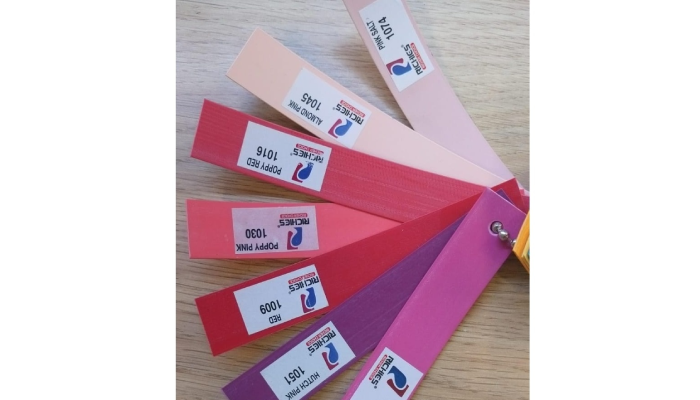
Fabric textured PVC edge band are strips of PVC (polyvinyl chloride) material designed to wrap around the edges of furniture, cabinetry, and paneling. The distinctive feature of these edge bands is their fabric-like appearance, which mimics the look and feel of traditional fabrics such as linen, cotton, or tweed. These edge bands are available in various colors, patterns, and textures, allowing designers to choose options that complement the overall aesthetic of the project.
What sets Fabric textured PVC edge bands apart from other types of edge treatments is their versatility. They can be applied to a wide range of surfaces, including MDF (medium-density fiberboard), plywood, particleboard, and other engineered wood products commonly used in furniture and interior construction. This makes them an ideal solution for sustainable design, offering both a stylish finish and a durable, eco-friendly material.
Sustainability In Material Choice
One of the key factors driving the use of Fabric textured PVC edge bands in interior design is their sustainability. Traditional edge banding materials, such as wood veneers or metal, may involve higher environmental costs due to the extraction and processing of raw materials, as well as their transportation. In contrast, PVC edge bands are a more sustainable option for several reasons.
- Recyclability: PVC is a recyclable material, meaning that when the edge bands are no longer in use, they can be repurposed or recycled, reducing the amount of waste that ends up in landfills. This makes Fabric textured PVC edge bands a more eco-friendly choice compared to materials that may not be recyclable, such as certain types of adhesives or non-recyclable plastics.
- Energy-Efficient Manufacturing: The production process for PVC edge bands is more energy-efficient than many other materials, particularly those that require extensive processing or the use of high-impact energy sources. As energy conservation is a major pillar of sustainable design, opting for Fabric textured PVC edge bands can contribute to a more energy-efficient manufacturing process.
- Lower Carbon Footprint: Fabric-textured PVC edge bands are lightweight, reducing the environmental impact associated with transportation. Since these edge bands are produced in bulk and are easy to transport, they help minimize the carbon footprint of the overall supply chain.
- Durability and Longevity: The Fabric textured PVC edge band is designed for long-lasting use, which aligns with sustainable practices. The longer a material lasts, the less frequently it needs to be replaced, leading to reduced waste over time. PVC edge bands are highly resistant to wear, tear, and environmental damage, ensuring that they maintain their aesthetic appeal and structural integrity for years.
Aesthetic Versatility And Design Flexibility
In addition to their sustainability benefits, Fabric textured PVC edge bands provide a wide range of aesthetic possibilities that make them an attractive option for sustainable interior design projects. Their fabric-like appearance can mimic the look of various materials, including textiles, wood grains, and stone textures, without the need for raw materials that may have a higher environmental impact.
The diversity in design options ensures that fabric-textured PVC edge bands can be used to create a variety of interior styles, from contemporary and minimalist to rustic or traditional. This design flexibility allows for a high level of customization, which is crucial for creating tailored, unique spaces that meet both the functional and aesthetic needs of the project.
Reducing The Need For Other Materials
One of the most compelling benefits of Fabric textured PVC edge bands in sustainable interior design is their ability to reduce the need for other materials. Many interior design projects rely on additional materials like solid wood, metal, or other decorative elements to finish the edges of furniture and cabinetry. Fabric textured PVC edge bands can often replace these materials, providing the same high-quality finish and visual appeal while lowering the overall environmental impact.
For instance, using fabric-textured PVC edge bands can reduce the need for solid wood veneers, which require the harvesting of trees. Additionally, PVC edge bands can mimic the appearance of natural materials like stone or leather, eliminating the need for resource-intensive raw materials that may require extraction, transportation, and extensive processing.
Ease Of Installation And Maintenance
The installation and maintenance of Fabric textured PVC edge bands are straightforward and cost-effective, adding to their appeal as a sustainable option. Unlike other edge treatment materials, such as solid wood or metal, which require specialized tools and techniques for installation, PVC edge bands are easy to apply and can be fitted quickly and efficiently. This ease of installation reduces labor costs and contributes to a more efficient building or renovation process.
Furthermore, Fabric textured PVC edge bands are low-maintenance. They are resistant to moisture, stains, and fading, which means they require minimal upkeep to maintain their appearance over time. This durability also extends to their resistance to heat and UV exposure, ensuring that the edge bands continue to perform well in a variety of environments.
Conclusion
Fabric textured PVC edge bands are an essential component in sustainable interior design. Offering a blend of aesthetic appeal, durability, and environmental benefits, they provide designers with a versatile and eco-friendly solution for creating beautiful and responsible spaces. From their recyclability and energy-efficient production process to their ability to replace more resource-intensive materials, Fabric textured PVC edge bands contribute to a more sustainable approach to design.
As the demand for sustainable interior design continues to grow, fabric-textured PVC edge bands will undoubtedly play an increasingly significant role in shaping the future of eco-friendly design. By incorporating these innovative edge treatments into interior projects, designers can contribute to a more sustainable and visually engaging built environment.
Resource URL:
About Author