

Understanding the Process of Rent Medical Consultation Rooms
The process of rent medical consultation rooms begins with identifying suitable properties or facilities that meet healthcare standards. Providers must assess space requirements, layout suitability for medical activities, and accessibility for patients. Lease agreements typically involve terms specific to healthcare practices, including compliance with health regulations and customization options for medical equipment and furnishings.
Factors to Consider When Rent Medical Consultation Rooms
Several factors influence the choice of rent medical consultation rooms for rent. These include location, size, layout, amenities, and lease terms. Proximity to hospitals, clinics, and public transport can enhance patient accessibility. Room size and layout should accommodate medical equipment, examination tables, seating for patients, and administrative areas. Lease terms should consider flexibility for practice growth, compliance with zoning laws, and accessibility for disabled patients.
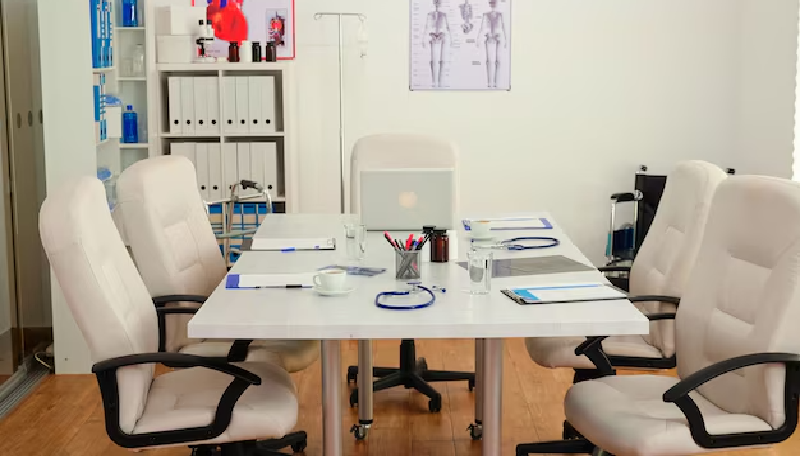
How to Choose the Right Location for Rent Medical Consultation Rooms?
Choosing the right location for rent medical consultation rooms is crucial for attracting patients and ensuring operational efficiency. Ideally, locations near residential areas, medical facilities, or commercial hubs enhance accessibility. Factors such as parking availability, public transport access, and visibility contribute to patient convenience. Moreover, proximity to referral sources, such as hospitals or specialty clinics, can facilitate patient referrals and collaboration with other healthcare providers.
Legal and Regulatory Considerations for Rent Medical Consultation Rooms
Rent medical consultation rooms entails compliance with various legal and regulatory requirements. Providers must ensure that leased spaces meet healthcare facility standards, including health and safety codes, accessibility for disabled individuals, and zoning regulations. Lease agreements should outline responsibilities for maintenance, insurance coverage, patient privacy (HIPAA compliance), and adherence to local, state, and federal healthcare regulations.
Technology and Equipment Requirements for Rent Medical Consultation Rooms
Successful operation of rent medical consultation rooms requires appropriate technology and equipment. Basic requirements include examination tables, medical stools, diagnostic tools (e.g., stethoscopes, blood pressure monitors), and storage for medical supplies. Integration of electronic health records (EHR) systems ensures efficient patient management and compliance with data privacy laws. Advanced equipment, such as telemedicine tools or imaging devices, may be necessary based on specialty and patient care needs.
Negotiation Strategies for Rent Medical Consultation Rooms
Negotiating favorable terms for rent medical consultation rooms involves understanding market rates, lease flexibility, and additional services provided by landlords (e.g., maintenance, utilities). Providers can leverage long-term commitments, multiple-room leases, or shared facilities to negotiate lower rent or inclusive services. Clarifying responsibilities for space customization, maintenance costs, and lease renewal terms ensures alignment with practice goals and financial sustainability.
Insurance and Liability Issues in Rent Medical Consultation Rooms
Insurance and liability issues are critical considerations when rent medical consultation rooms. Providers must secure liability insurance to cover potential patient injuries, malpractice claims, and property damage within leased premises. Landlords may require proof of insurance and specific coverage limits as part of lease agreements. Understanding coverage options, including professional liability (malpractice) insurance and general liability insurance, mitigates financial risks and ensures compliance with contractual obligations.
Future Trends in Rent Medical Consultation Rooms
The future of rent medical consultation rooms is evolving with advancements in telemedicine, flexible leasing options, and patient-centered care models. Increasing demand for shared medical spaces, co-working arrangements among healthcare providers, and integration of virtual healthcare services are reshaping traditional practice settings. Innovations in technology, such as remote patient monitoring and AI-driven diagnostics, are expected to enhance efficiency and patient outcomes in rented medical consultation rooms.
Conclusion
Rent medical consultation rooms is a strategic decision that requires careful consideration of location, regulatory compliance, technology integration, and negotiation strategies. Providers must navigate legal obligations, insurance requirements, and evolving healthcare trends to optimize patient care delivery and practice sustainability. As healthcare continues to evolve, staying abreast of technological advancements and patient care innovations will be crucial in maximizing the potential of rented medical consultation rooms to meet growing healthcare demands.
About Author