

Understanding the Role of Therapy in Treating Depression
Therapy is an effective way to help individuals struggling with depression. It gives people the opportunity to talk through their feelings and gain insight into their experiences. Therapy can reduce symptoms of depression by helping individuals identify underlying causes and uncover unhealthy thought patterns. It can also help individuals develop healthier coping skills and establish healthy boundaries. Therapy can be used in combination with medication and other treatments to provide a comprehensive approach to treating depression. Ultimately, therapy offers individuals a safe and supportive environment to explore their emotions and learn the skills needed to create lasting change.
What Are the Treatments for Depression?
The treatment of depression depends on the severity and type of depression, as well as the individual’s preferences.
The most common depression treatment chattanooga is psychotherapy, medication, and/or a combination of both. Psychotherapy, or “talk therapy”, involves meeting with a mental health professional to discuss thoughts, feelings, and behavior patterns and work to identify and change unhealthy and negative thinking. Cognitive Behavioral Therapy (CBT), Interpersonal Therapy (IPT), and Dialectical Behavior Therapy (DBT) are all types of psychotherapy used to treat depression.
Medication, such as selective serotonin reuptake inhibitors (SSRIs) and serotonin-norepinephrine reuptake inhibitors (SNRIs), can be used to help balance brain chemistry. Other medications, such as mood stabilizers, antipsychotics, and benzodiazepines are sometimes used in combination with antidepressants.
Other treatments for depression include lifestyle changes (e.g. exercise, dietary changes, stress management, etc.), transcranial magnetic stimulation (TMS), electroconvulsive therapy (ECT), and alternative treatments such as acupuncture, yoga, and herbal supplements.
It is important to talk to a healthcare professional to find the right treatment plan for you.
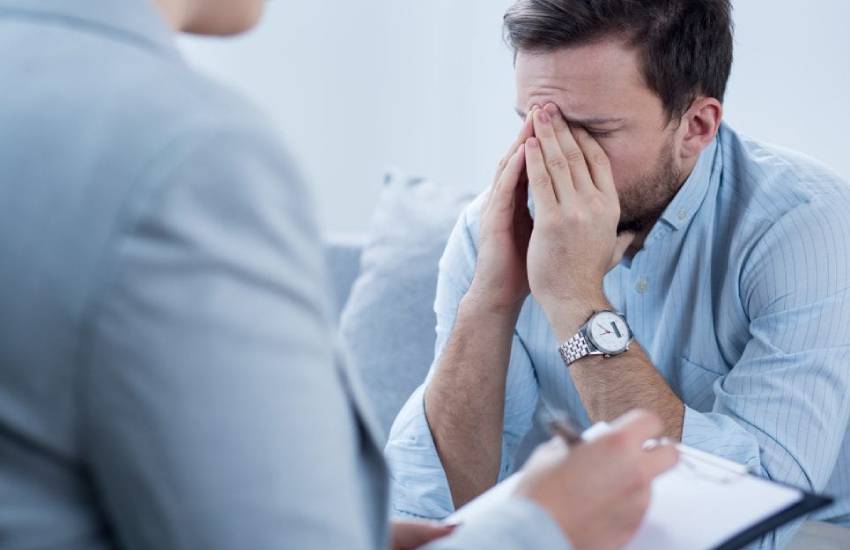
Why is Depression Treatment Important?
Depression is a serious medical condition that can have a profound impact on a person’s life. Without treatment, depression can lead to a variety of physical and psychological problems, such as difficulty concentrating, lack of energy, changes in appetite, and even suicidal thoughts. Treatment is important because it can help relieve symptoms, improve a person’s quality of life, and reduce the risk of developing more serious mental health problems. Treatment may involve one or more therapies, such as cognitive-behavioral therapy, psychotherapy, and/or medication. It’s important to find a treatment plan that works for you and to stick with it. With the right treatment, people with depression can begin to feel better and lead meaningful, productive lives.
How to Treat Depression with Medication?
Medication is often used to treat depression. Antidepressants are the most commonly prescribed medications for treating depression. These medications work by balancing the chemicals in your brain that control mood. Your doctor may recommend one type of antidepressant or they may suggest a combination of antidepressants. It’s important to take these medications as prescribed and to continue to take them to get the maximum benefit. It can take several weeks for the medication to start working, so it’s important to remain patient.
In some cases, your doctor may prescribe a combination of antidepressants and other medications to treat depression. These medications can include mood stabilizers, antipsychotics, or anti-anxiety medications. Your doctor will work with you to determine the best combination for you and your individual needs.
It’s important to note that medications alone are not enough to treat depression. It’s important to seek therapy and other forms of support in addition to medication. With the right combination of medications, therapy, and support, you can manage your depression and improve your quality of life.
Tips for Managing Depression without Medication
- Exercise regularly: Exercise can help reduce stress, boost mood and improve overall self-esteem.
- Connect with others: Spending time with family and friends can help reduce feelings of isolation.
- Practice relaxation techniques: Take time to practice deep breathing, mindfulness, and/or yoga to help reduce stress and anxiety.
- Get enough sleep: Aim for 7-8 hours of quality sleep each night to help improve your mood and concentration.
- Eat a healthy diet: Eating a nutritious diet can help improve overall mental health.
- Challenge negative thoughts: Identify negative thoughts and replace them with more positive thoughts.
- Find activities you enjoy: Take time to do activities that bring you joy and make you feel fulfilled.
Understanding the Role of Diet in Treating Depression
Diet plays an important role in treating depression. Eating a balanced diet that is rich in essential vitamins, minerals, and nutrients can help improve overall mental health. Eating foods like fish, nuts, fruits, and vegetables can help provide the body with the necessary vitamins and minerals needed to produce neurotransmitters that are important for mood regulation. Additionally, avoiding processed foods and refined sugars can help reduce inflammation in the body which has been linked to depression. Finally, staying hydrated and getting enough rest is important to overall mental health and can help reduce symptoms of depression.
Conclusion
In conclusion, treating depression is a complex process that requires a combination of medication, therapy, lifestyle changes, and support from family and friends. It is important to remember that depression is a serious condition that requires proper treatment and that it is not something that can be overcome overnight. With the right care and support, however, those who suffer from depression can find the help they need to manage their symptoms and live a fulfilling life.
About Author