
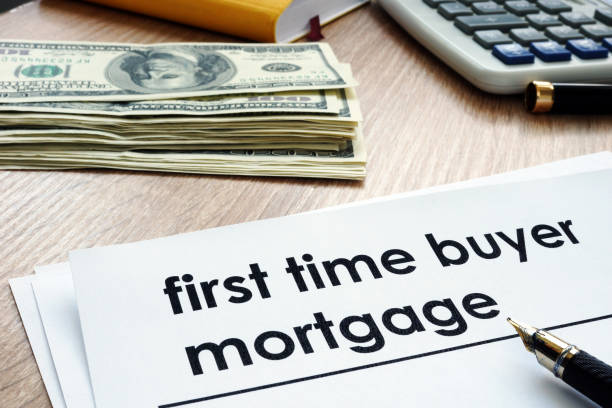
What You Need To Know About A First-Time Home Buyers Mortgage
If you’re a first-time home buyer, the process of securing a mortgage can be daunting. There is so much to know and consider, from interest rates to closing costs. It’s no wonder that many first-time home buyers feel overwhelmed. But don’t worry—we’re here to help. In this blog post, we will walk you through everything you need to know about a first-time home buyer’s mortgage. We’ll cover topics like credit score requirements, down payments, and more. By the end of this post, you will have a better understanding of the mortgage process and what you need to do to secure a loan for your first home.
What is a first-time home buyer’s mortgage?
A mortgage for first-time buyers is a loan that is used to purchase a home. The loan is typically for a period of 30 years and has a fixed interest rate. The monthly payments on a first-time home buyer’s mortgage are usually lower than the monthly payments on a conventional mortgage.
First-time home buyers often choose to finance their homes with a first-time home buyer’s mortgage because they may not have the cash available for a down payment or they may want to take advantage of lower interest rates. First-time home buyers should compare different types of mortgages before deciding which type of loan is right for them.
How to qualify for a first-time home buyer mortgage
In order to qualify for a first-time home buyer mortgage, you will need to meet certain criteria set forth by lenders. The most common criterion is income. You will need to show proof of income in order to qualify for a loan. Lenders will also look at your employment history and your credit score when considering you for a loan.
Another factor that lenders will consider is the amount of debt that you have. If you have a lot of debt, it may be difficult to obtain a loan. Lenders want to see that you are able to manage your finances and they will want to see a history of on-time payments.
Down payment is another important factor when qualifying for a first-time home buyer mortgage. Many lenders require a down payment of 20% or more. This means that you will need to save up before applying for a loan. There are some programs available that can help with the down payment, so be sure to research all your options.
Your credit score is one of the most important factors in qualifying for a first-time home buyer mortgage. Lenders use your credit score to determine your risk level. The higher your credit score, the lower the interest rate you will likely qualify for. If you have no credit history, it may be difficult to obtain a loan from some lenders. There are options available for those with no credit history, so make sure to research all your options before applying for a loan.
What are the different types of first-time home buyers’ mortgages?
There are many different types of first-time home buyers’ mortgages available, and it can be confusing trying to figure out which one is right for you.
- Fixed-rate mortgage: This is the most common type of mortgage, and as the name suggests, the interest rate is fixed for the life of the loan. This can offer peace of mind to borrowers who are worried about interest rates rising in the future.
- Adjustable-rate mortgage (ARM): With an adjustable-rate mortgage, your interest rate will fluctuate over time in accordance with changes in market conditions. This can be a good option if you expect your income to increase over time, as you’ll be able to take advantage of lower interest rates when they occur.
- Federal Housing Administration (FHA) loan: These loans are backed by the federal government and are available to borrowers with less-than-perfect credit. They typically require a smaller down payment than conventional loans, making them a good option for first-time buyers who may not have a lot of cash on hand.
- Veterans Affairs (VA) loan: VA loans are available to veterans and active duty military personnel and their families. These loans do not require a down payment and often come with lower interest rates than other types of loans.
What are the benefits of a first-time home buyer’s mortgage?
Assuming you are looking at the benefits of a first-time home buyer’s mortgage in relation to other types of mortgages, the main benefit is that first-time home buyer’s mortgages generally have lower interest rates. They also tend to have smaller down payments (as low as 3%), although this may mean having to pay private mortgage insurance (PMI). First-time home buyers may also be able to take advantage of special programs and incentives, such as tax breaks, that are not available to other home buyers.
Assuming you’re talking about the benefits of a government-backed mortgage program for first-time home buyers, there are a few key advantages:
- First and foremost, these mortgages typically require a smaller down payment than conventional loans – sometimes as little as 3%. This can be a big advantage for first-time buyers who may not have the savings for a larger down payment.
- In addition, first-time buyer mortgage programs often offer lower interest rates and more favorable terms than conventional loans. This can save you thousands of dollars over the life of your loan.
- Finally, many government-backed first-time buyer mortgage programs offer unique perks and assistance, such as grants or tax breaks. These can help offset some of the costs of buying a home, making it more affordable for those who might otherwise struggle to come up with the necessary funds.
How to choose the right-first-time home buyer’s mortgage
When you’re a first-time home buyer, there are many things to consider when it comes to choosing the right mortgage.
Here are some tips on how to choose the right-first-time home buyer’s mortgage:
- Consider your financial situation. Before you start looking at mortgages, it’s important to take a step back and assess your overall financial situation. This will help you determine how much you can realistically afford to spend on a home and what kind of mortgage would be best for you.
- Shop around for the best rates and terms. Once you know how much you can afford to spend on a home, it’s time to start shopping around for the best mortgage rates and terms. Be sure to compare offers from multiple lenders so that you can get the best deal possible.
- Get pre-approved for a mortgage. Once you’ve found the right mortgage rate and terms, it’s time to get pre-approved for the loan. This will give you a better idea of how much house you can realistically afford and make the home-buying process go more smoothly.
- Make sure your credit is in good shape. Your credit score will play a big role in determining what kind of interest rate you’ll qualify for on your mortgage loan. If your credit isn’t in good shape, take some time to improve it before applying for a loan.
- Consider all of your options. There are many different types of mortgages available, so be sure to consider all of your options before making a decision. You’ll need to decide whether you want a fixed-rate or adjustable-rate mortgage, what term length is best for you, and whether you want to pay points upfront to lower your interest rate.
- Talk to a mortgage advisor. If you’re still not sure which type of mortgage is right for you, it’s a good idea to speak with a mortgage advisor. They can help you understand the different types of loans available and find the best option for your individual situation.
Conclusion
A first-time home buyer’s mortgage is a big decision and one that should not be taken lightly. There are a lot of things to consider when you’re looking at mortgages, and it’s important to work with a lender that you trust. We hope this article has given you some things to think about asking you to start the process of shopping for a first-time home buyer’s mortgage. If you have any questions, please don’t hesitate to reach out to us. We’re here to help you every step of the way.
About Author